Kinesio Taping in Seymour, IN
Flexible therapeutic support designed to help you move with greater comfort, confidence, and control.
When injury, nerve irritation, swelling, or postural imbalance is holding you back, Progressive Physical Therapy provides individualized Kinesio Taping applications as part of a recovery plan built around your goals.
Unlock the Benefits of Kinesio Taping
Kinesio Taping is a specialized elastic therapeutic tape application that provides natural, flexible assistance while allowing you to continue moving. Unlike traditional rigid tape that limits motion, Kinesio Tape moves with your body and can provide dynamic muscular support and joint stability during rehabilitation.
During application, the tape gently lifts the skin to create space between tissue layers. This may help channel excess fluid away from irritated areas, provide directed input to muscles that need assistance or resistance, and desensitize local nerve responses for pain modulation. The tape’s light sensory feedback can also enhance body awareness and motor control.
At Progressive Physical Therapy, your clinician evaluates your movement, symptoms, and recovery goals before selecting an application strategy. Kinesio Taping is one adaptable tool within a personalized physical therapy plan—not a one-size-fits-all solution.
How Kinesio Taping Can Support Recovery
The right application is selected according to your symptoms, movement needs, and stage of healing.
Decreased Pain & Swelling
By directing fluid away from irritated zones and reducing localized pressure, tape traction can help calm inflammatory responses associated with acute injuries and chronic conditions.
Improved Postural Alignment
Gentle sensory cues toward more optimal positioning can support improved alignment while you rest and move, helping address gradual deviations that may hinder efficiency.
Enhanced Body Awareness
Dynamic input through the skin can help reeducate sensorimotor patterns, supporting refined coordination and control as you rebuild movement confidence.
Flexible Stability
Elastic tape can add natural support without feeling overly constricting or blocking active range of motion, so it can remain part of functional movement and exercise.
Muscle Facilitation or Inhibition
Application direction, tension, and placement can be selected to provide directed input to muscle groups that need assistance or resistance.
A Progressive Rehab Platform
Adaptable stability and directional pull can support progressively greater challenges as strength, control, and confidence improve through your treatment plan.
Custom Kinesio Support Protocols
Your taping plan begins with an assessment of edema, compensation patterns, postural deviations, and painful movement gaps. Your clinician then chooses the appropriate anchors, tension, vectors, and muscular targets for your needs.
Applications may be used to support:
- Acute injury stabilization
- Post-operative swelling management
- Chronic conditions such as tendonitis
- Nerve tension alleviation
- Muscular facilitation or inhibition
- Body mechanics optimization
- Functional movement assistance
As healing progresses, your clinician adjusts the approach based on symptom relief and feedback about your restored capabilities.
What to Expect
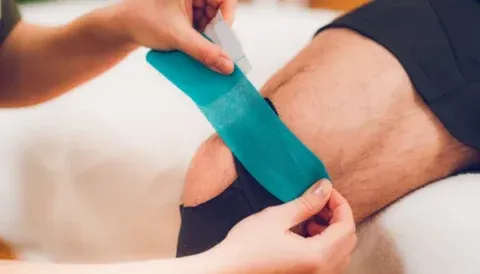
Your physical therapist will assess the area, your movement pattern, and the role taping may play in your plan. Tape is applied with purpose: placement, direction, and tension are tailored to the symptom or movement goal being addressed.
Kinesio Tape generally remains in place for an average of 3–5 days when correctly applied. Its heat-activated adhesive is designed for prolonged wear while remaining gentle on the skin as it naturally loosens. Patients are encouraged to test skin sensitivity first.
Personalized Care in Seymour
Progressive Physical Therapy approaches recovery through one-on-one, individualized care. Dr. Jessica Allen integrates advanced certifications and current body mechanics research with compassionate care focused on each patient’s goals.
Clinic owner Dr. Belinda Hays brings more than 40 years of clinical practice and special expertise in orthopedics, spine rehabilitation, post-surgical rehabilitation, ergonomics analysis, and work injury management and prevention.
Kinesio Taping FAQs
What is Kinesio Tex tape used for?
Kinesio tape provides natural, flexible support while helping reeducate musculoskeletal imbalances. With precise application, it can address swelling, enhance proprioception, facilitate weakened muscles, ease discomfort, and help prevent overuse injuries.
What is the difference between traditional taping and Kinesio Taping?
Traditional rigid tape is designed to limit mobility. Elastic therapeutic Kinesio Tape allows the range of motion needed for rehabilitation while providing dynamic muscular support and joint stability during natural movement.
Do the colors of Kinesio Tape mean different things?
The tape comes in a variety of colors, but the shade itself does not change its function. Colors may help identify locations or sides, or simply reflect patient preference.
Care That Works Together
Kinesio Taping may be integrated with other evidence-based treatment approaches to support your recovery.
Manual Therapy
Hands-on treatment can help address mobility, soft-tissue, and movement concerns as part of a comprehensive rehabilitation plan.
Therapeutic Exercise
Individualized exercise supports strength, movement control, and the functional progress that helps carry recovery into everyday life.
Orthopedic Therapy
For bone, joint, and muscle pain, specialized orthopedic interventions are selected around your individual needs and activity goals.
Start Your Recovery Journey With Kinesio Taping
If pain, instability, swelling, or muscle weakness is limiting your progress, a personalized evaluation can help determine whether Kinesio Taping belongs in your rehabilitation plan. Our Seymour clinicians are ready to help you build toward restored confidence and independence.