Dry Needling in Seymour, IN
Targeted relief for persistent muscle tension, pain, and restricted movement.
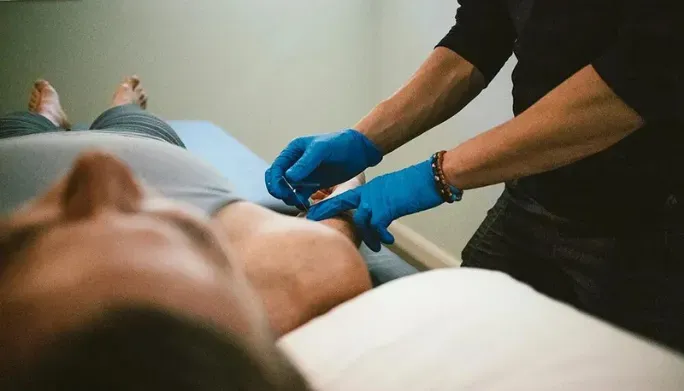
At Progressive Physical Therapy, dry needling uses microscopic monofilament needles to release knots and trigger points, support normal neurological signaling, and help reduce discomfort naturally.
A Root-Cause Approach to Persistent Pain
If unrelenting muscle tension, restricted mobility from a past injury, or unresolved neurological and movement dysfunction is making basic tasks painful, dry needling may provide relief when other methods have fallen short.
We look at your health journey holistically, addressing the drivers of dysfunction instead of simply chasing symptoms. Dry needling is combined with manual therapy and customized exercise to help restore normal motor control and support your recovery.
Our therapists use assessment to identify mechanical and neurogenic factors that may be prolonging impairment, then pair targeted treatment with movement reeducation to help you move forward with confidence.
How Dry Needling May Help
Dry needling provides targeted, often immediate relief for acute and chronic neuromuscular conditions.
Targeted Pain Relief
Precision needling of trigger points can deactivate local contraction knots and nociceptive input, helping provide extended relief from discomfort.
Restored Movement
Releasing bound fibers and scar-tissue adhesions can help reestablish normal sliding mobility between muscular and fascial tissue planes for flexibility and fluid movement.
Support for Healing & Function
Improved blood flow and metabolic waste drainage can support repair of strained tissue. Needling and corrective exercise can also help rebalance muscle activation and make daily movement easier.
When Can Dry Needling Be Effective?
Dry needling is used to address specific localized trigger points that may cause referred pain, cramping, numbness or tingling, and movement impairments. It may help reset abnormal signaling associated with increased muscle tone, spasming, and cramping; improve metabolic exchange in ischemic zones; promote tissue regeneration; and release restricted muscular and fascial planes.
Common concerns that may benefit include:
- Migraines and cervicogenic headaches
- Whiplash injuries and associated neuropathy
- Temporomandibular dysfunction
- Sciatic nerve impingement
- Disc bulges or herniations
- Plantar fasciitis and tendinopathies
- Post-surgical scar tissue dysfunction
Your physical therapist will evaluate your symptoms, movement, tolerance, and goals to determine whether dry needling belongs in your personalized plan of care.
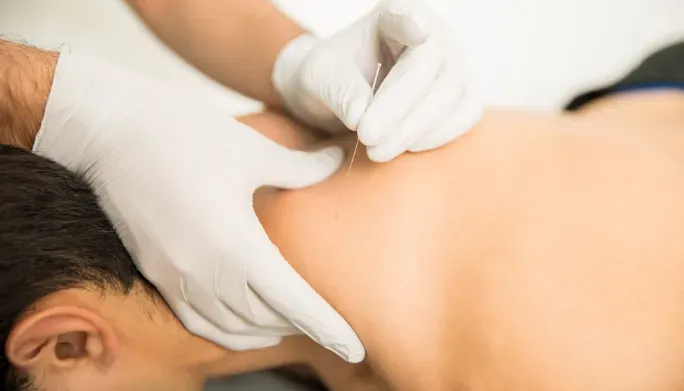
Manual Therapy
Hands-on techniques can complement dry needling to address mobility restrictions and painful musculoskeletal dysfunction.
Therapeutic Exercise
Customized exercise and movement reeducation help build on treatment gains and support a return to everyday activity.
Personalized Physical Therapy
Every plan begins with a thorough evaluation and is tailored to your condition, goals, and progress.
What to Expect at Progressive Physical Therapy
Our Seymour center includes private therapy rooms and evaluation tools such as surface EMG and ultrasound imaging to help map dysfunctional motor units, adhesion sites, and ischemia zones. Dr. Jessica Allen tailors needle number and depth to your pain pattern, tolerance, and goals.
You may feel a quick pinprick as a needle enters the skin. Deeper needling can briefly reproduce symptoms as irritated tissue is contacted, and some gentle muscle soreness may follow for 12–24 hours. Communicate any sharp pain during treatment so your therapist can adjust the approach for your comfort and benefit.
Dry needling is grounded in neuroanatomy and focuses on improving physiological function and reducing pain. It differs from traditional acupuncture, which uses ancient meridian maps.
Experience Lasting Relief
Ready to explore whether dry needling can be part of your comprehensive treatment plan? Our compassionate team in Seymour is here to help you identify the drivers of your pain and work toward better movement and quality of life.