ASTYM Therapy
Regain mobility and support healing from soft-tissue injuries in Seymour, IN.
When pain, stiffness, or scar tissue makes daily life difficult, ASTYM therapy can help restore comfort and movement.
A Deeper Approach to Soft-Tissue Healing
ASTYM therapy at Progressive Physical Therapy in Seymour, IN is an advanced rehabilitation technique designed to support the body’s natural healing abilities. It can help people dealing with soft-tissue damage, pain, restricted movement, and post-surgical scarring.
Unlike massage, which works mainly on the skin and muscle layers, ASTYM uses specialized instruments to gently stimulate tissues at a deeper level. The goal is to break down restrictive scar tissue while encouraging the development of normal, healthy tissue—helping calm pain and inflammation and improve range of motion.
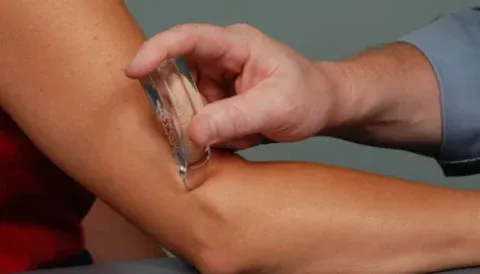
1. Targeted Stimulation
Rounded-edge instruments glide gently across the skin to target affected tissue. Your therapist adjusts the pressure to keep treatment appropriate and comfortable.
2. Natural Repair Response
The stimulation initiates regenerative and remodeling processes, including increased inflammatory cells, growth factors, fibroblasts, and stem cells in the localized area.
3. Healthier Movement
As blood flow and collagen production support tissue repair, damaged tissue can remodel into more flexible, properly aligned soft tissue for better mobility and joint function.
What ASTYM May Help You Achieve
By addressing restrictive scar tissue and supporting tissue regeneration, ASTYM can help you move forward with greater comfort and confidence.
- Enhanced healing: Supports the body’s restorative functions and development of stronger, healthier connective tissue.
- Pain reduction: As restrictive tissue breaks down and more flexible tissue develops, discomfort may be alleviated.
- Improved mobility: Better tissue flexibility can support increased range of motion and make everyday movement easier.
- Non-invasive care: ASTYM is not a surgical or invasive treatment and generally requires no downtime.
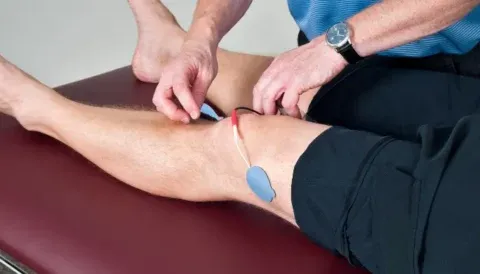
Chronic Soft-Tissue Injuries
ASTYM may be an ideal option for chronic injuries affecting tendons, ligaments, or fascia, as well as pain that interferes with work, daily activities, or sports performance.
Post-Surgical Scar Tissue
ASTYM can serve as a healing boost before or after surgery. After surgery, it may help address internal scarring and support a return to comfortable movement.
Stiffness & Common Conditions
This technique is used for a wide range of orthopedic concerns, including joint stiffness, plantar fasciitis, carpal tunnel syndrome, tendonitis, and arthritis.
What to Expect During ASTYM Treatment
Your physical therapist will create a customized plan based on your condition, healing needs, and goals. During treatment, specialized instruments are moved over the affected area to gently stimulate the tissue. Most patients do not find ASTYM painful, though mild discomfort may occur as scar tissue is addressed. Your therapist can adjust pressure as needed to maintain your comfort.
The number of sessions depends on the extent of injury and scarring. Treatments often occur one to two times per week, with improvements accumulating from session to session. Generally, six to eight sessions are common, but your individual plan may differ.
Experienced ASTYM Care in Seymour
Progressive Physical Therapy provides one-on-one, personalized care focused on your recovery. Dr. Belinda Hays is certified in the Astym® system, and our experienced therapists are committed to helping patients heal, regain abilities, and return to fulfilling lives with fewer injury-related limitations.
ASTYM Therapy FAQs
Massage works primarily on superficial skin and muscle tissues. ASTYM uses specialized instruments to target deeper connective-tissue layers and stimulate regeneration at a cellular level.
Most patients do not find ASTYM painful. Mild discomfort may occur as scar tissue is addressed, and your therapist will adjust pressure to maintain your comfort.
Frequency and number of visits depend on your condition and goals. Treatment commonly occurs one to two times per week, and six to eight sessions are common.